Exploring Bar Model Drawing Techniques: A Comprehensive Guide to Imagining Mathematics Concepts
Bar design drawing strategies function as a valuable source for both educators and trainees in visualizing mathematical principles. These versions simplify complex mathematical partnerships, assisting in the comprehension of enhancement, department, subtraction, and reproduction. This guide lays out reliable methods for executing bar designs, promoting active interaction and real-world links. As readers discover the functional applications and training suggestions, they will certainly uncover exactly how these techniques can transform their method to maths.
Understanding the Fundamentals of Bar Design Illustration
Bar model attracting works as an effective aesthetic device in maths, facilitating the understanding of analytical approaches and numerical relationships. This technique entails representing numbers and their relationships through rectangle-shaped bars, making it simpler to visualize procedures such as addition, reduction, division, and multiplication. Each bar's length represents a specific worth, enabling learners to compare amounts and comprehend proportions clearly.
To produce a bar model, one starts by recognizing the problem's crucial elements, frequently breaking it down into parts that can be aesthetically represented. In a straightforward enhancement problem, 2 bars can be drawn, with their sizes representing the addends. The consolidated size illustrates the amount. In enhancement, bar models can be adjusted for extra complicated issues, including fractions and ratios, by adjusting benches as necessary. Grasping these fundamentals lays a strong structure for effective analytic and much deeper mathematical understanding.
Benefits of Making Use Of Bar Designs in Math
Making use of bar designs in maths uses many benefits that improve learning and comprehension. These graphes aid students in understanding complicated ideas by breaking them down into workable components. Bar models give a clear framework for showing partnerships between numbers, making abstract concepts much more concrete. They promote a much deeper understanding of mathematical procedures and assist in analytical by permitting students to envision the information they are collaborating with.
Bar versions support the development of critical thinking skills, as trainees must evaluate and analyze the aesthetic information to attract verdicts. This approach urges active interaction with the material, strengthening retention and proficiency of mathematical principles. By cultivating a solid foundation in visual literacy, bar models encourage learners to come close to different mathematical obstacles with self-confidence. Overall, the integration of bar versions right into maths education and learning shows advantageous in cultivating both comprehension and logical capabilities amongst trainees.
Applying Bar Models to Enhancement and Subtraction
Bar designs work as a reliable tool for visually standing for enhancement and reduction issues. By highlighting the relationship between numbers, they enhance understanding and facilitate analytical. In addition, real-life applications of these versions can help learners grasp mathematical ideas in useful contexts.
Standing For Addition Aesthetically
When trainees run into enhancement and subtraction troubles, visual help can greatly boost their understanding of these operations. Bar versions work as reliable tools for representing enhancement. By dividing a rectangular shape right into sectors that represent the numbers included, students can visualize the relationship in between the amounts. If a pupil needs to add 3 and 5, they can create a bar divided right into 2 areas: one section representing 3 and the various other standing for 5. This clear depiction not only streamlines the addition procedure but additionally strengthens the concept of integrating amounts. As trainees manipulate these aesthetic help, they create a deeper comprehension of enhancement, leading to enhanced problem-solving skills and greater confidence in their mathematical capabilities.
Subtraction With Bar Designs
Subtraction is often perceived as a much more intricate procedure than addition, bar models can efficiently clarify this procedure for pupils. By visually standing for the amounts entailed, pupils can much better understand just how numbers associate with each other. In a bar version for reduction, one bar represents the total amount, while another indicates the amount being subtracted. This aesthetic difference assists students grasp the concept of "taking away." If a bar shows 10 systems, and another bar standing for 4 systems is removed, students can easily see that 6 devices continue to be. This strategy not only promotes understanding of reduction but also help in establishing analytical skills, permitting pupils to visualize their mathematical thinking and improve their general comprehension of mathematical concepts.
Real-Life Application Instances
Understanding subtraction via bar designs lays a structure for using these techniques in real-life circumstances. In various contexts, such as budgeting or purchasing, people can picture just how much cash stays after expenses. As an example, if an individual has $50 and spends $20, a bar version can represent the complete quantity and the spent portion, highlighting that $30 is left. Furthermore, parents can make use of bar designs to aid children comprehend how lots of even more products require to be contributed to complete a set, such as having three apples and requiring five. This graph streamlines intricate problems, assisting in understanding and retention. Eventually, bar versions serve as reliable tools in everyday decision-making, improving mathematical understanding in sensible scenarios.
Imagining Reproduction and Division With Bar Designs
In checking out the application of bar models for reproduction and division, it is vital to understand their fundamental principles. Constructing reproduction versions enables students to envision relationships between numbers, while effective division approaches can be illustrated through these visual aids. This strategy boosts understanding and analytic abilities in maths.
Understanding Bar Versions
Bar models serve as a powerful visual device for illustrating the concepts of reproduction and division. They enable learners to represent mathematical relationships in a structured layout, helping with a much deeper understanding of these operations. In multiplication, bar designs present teams of equal dimension, enabling individuals to visualize the complete quantity when incorporating these groups. On the other hand, in department, bar versions assist portray how an overall is split right into smaller sized, equivalent components, clarifying the principle of dividing. By using these visual help, trainees can grasp the underlying concepts of reproduction and division better. This method not only improves understanding however also supports problem-solving skills, making bar models an indispensable possession in mathematical education.
Constructing Multiplication Versions
Creating reproduction versions utilizing bar layouts offers a clear approach for picturing the procedure of multiplication. These models allow students to stand for multiplication as teams of equal parts, making abstract principles much more concrete. For example, to highlight (3 times 4), a trainee can attract one bar divided into 3 equal sections, each representing 4 units. Additionally, producing a 2nd bar with the same length enhances the understanding of duplicated addition, as each section matches to one team. This graph not just help in grasping multiplication but additionally enhances analytical abilities. By employing bar designs, students can much better comprehend partnerships in between numbers and create a durable structure for much more complicated mathematical ideas, resulting in raised self-confidence in their capacities.
Visualizing Division Techniques

Addressing Word Problems Utilizing Bar Model Techniques
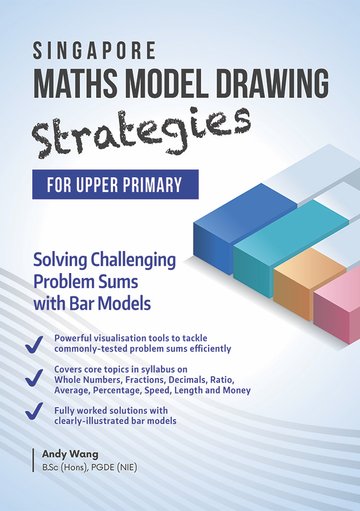
For example, in an issue involving enhancement and reduction, students can draw different bars for every quantity and then control them to discover the service. This process not just clears up the problem yet additionally promotes a deeper theoretical understanding. Bar designs can be adapted for numerous types of word troubles, making them versatile across different mathematical subjects. Eventually, making use of bar versions can considerably improve trainees' analytical skills by giving a clear visual path to get to the proper answer.
Integrating Bar Models in Various Math Topics
Bar designs can be perfectly integrated right into various math subjects, enhancing pupils' understanding of concepts beyond fundamental arithmetic. In algebra, these aesthetic devices aid in standing for inequalities and equations, making it possible for students to picture partnerships in between variables. When tackling geometry, bar versions can illustrate the homes of forms and spatial thinking, assisting trainees comprehend principles like location and boundary properly. In data, bar versions help with the analysis of information collections, permitting trainees to contrast amounts and identify fads aesthetically. Additionally, integrating bar models within measurement topics aids in understanding units and conversions by offering a substantial depiction of quantities. By employing bar versions throughout various mathematical areas, educators can foster a deeper understanding of intricate principles, thereby boosting analytic skills and promoting critical reasoning (bar model drawing techniques). This versatility demonstrates the utility of bar models as a fundamental device for trainees in their mathematical journey
Tips for Teaching Bar Versions Efficiently
Integrating bar models right into mentor practices needs thoughtful techniques to maximize their performance. Educators must start by presenting bar models with straightforward, relatable examples that trainees can quickly grasp. This helps to build self-confidence and experience with the idea. Gradually raising the complexity of issues permits students to use their abilities progressively. Furthermore, educators ought to motivate trainees to produce their very own bar models, promoting energetic interaction and ownership of their understanding.
Including collective tasks can also improve understanding, as trainees review and resolve troubles in teams. Continual feedback is necessary; educators must offer positive commentary on pupils' bar model depictions to lead renovation. Attaching bar versions to real-life situations enhances their significance, aiding pupils see the sensible applications of their mathematical skills. By executing these approaches, teachers can successfully harness the power of bar models in their maths guideline.
Regularly Asked Inquiries
Can Bar Designs Be Utilized in Other Subjects Besides Mathematics?
Bar versions can undoubtedly be utilized in different topics past math. They efficiently show principles in science, social studies, and language arts, aiding to aesthetically stand for partnerships, processes, and ideas for boosted understanding across self-controls.
What Age Is Best Suited for Knowing Bar Designs?
Bar designs are best fit for kids ages 7 to 12, as they develop concrete reasoning skills throughout check here this duration (bar model drawing techniques). At this age, trainees can effectively realize abstract concepts via graph and analytical techniques
Exist Digital Equipment for Creating Bar Designs?
Just How Can I Analyze Pupil Recognizing of Bar Versions?
Evaluating trainee understanding of bar designs can involve quizzes, observational assessments, and seminar. Educators could additionally examine trainees' finished versions and their capacity to discuss their reasoning, ensuring a comprehensive assessment of comprehension.
What Prevail Errors When Using Bar Designs?
Usual blunders when utilizing bar versions consist of misstating amounts, falling short to precisely classify bars, puzzling addition and subtraction, neglecting to make use of consistent ranges, and neglecting the value of clear aesthetic separation in between various elements.
In addition, bar versions can be adapted for more intricate problems, consisting of fractions and proportions, by adjusting the bars appropriately. Reduction is usually perceived as an extra complicated procedure than enhancement, bar models can properly clarify this process for trainees. In a bar design for subtraction, one bar represents the total, while an additional indicates the amount being subtracted. If a bar reveals 10 units, and another bar representing 4 devices is gotten rid of, students can quickly see that 6 devices stay. When separating a total amount right into equivalent groups, students can draw a long bar to stand for the entire and then segment it into smaller sized bars that suggest each team.